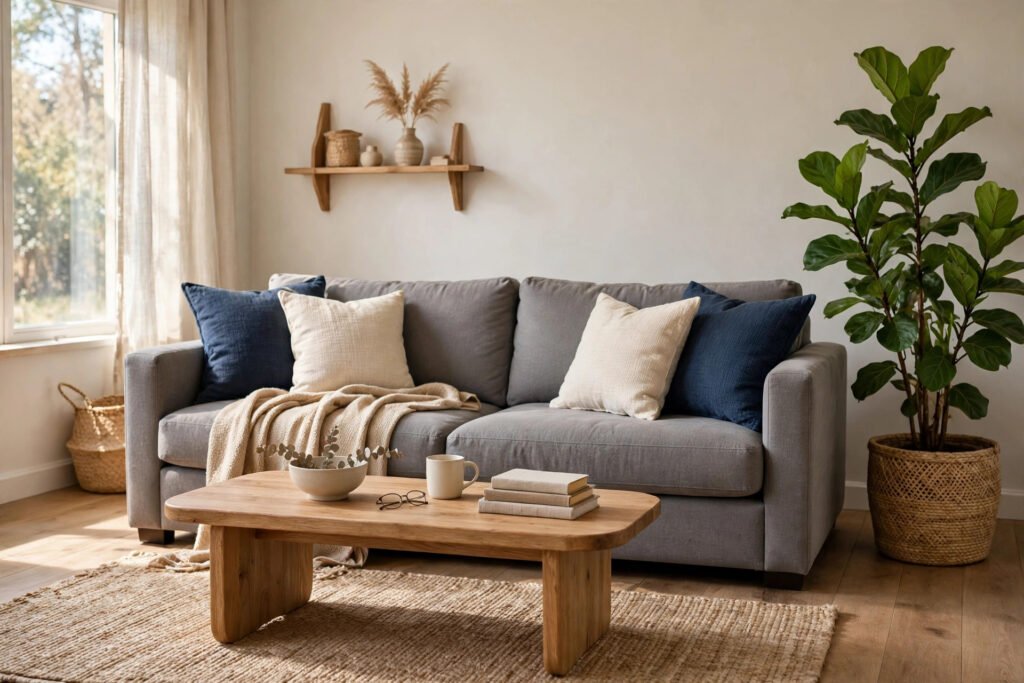

A sofa is the biggest piece of furniture in most living rooms — and one of the most expensive. Get the colour right and it anchors the room for a decade. Get it wrong and you are stuck with a very large, very visible mistake. So what is the best sofa color? There is no single winner, but there is a shortlist of shades that have looked good for decades and will keep looking good long after today’s trends fade.
This guide walks through those timeless colours, explains when a bold shade actually works, and shows you how to test a colour before you commit. Rough prices are ranges only; check the current price before buying.
Why Sofa Colour Matters More Than Any Other Choice
A sofa takes up more visual space than anything else in the room, so its colour sets the mood. A pale sofa makes a small room feel bigger and brighter; a dark one adds drama and hides stains. Colour also decides how flexible your room is: a neutral sofa lets you change cushions, rugs and curtains whenever you like, while a bold sofa locks you into a palette.
The Timeless Winners: Colours That Never Date
Grey — the safest choice, in every shade
Grey is the default for a reason. Light grey brightens a room and suits almost every style, from modern to farmhouse. Mid grey is practical and forgiving. Charcoal grey looks smart and hides marks well, which makes it a good pick for families and pet owners. Grey is the best sofa color to start with if you are nervous about committing — it works with warm wood, black metal, brass, and just about any cushion colour.
Beige and warm neutrals
Beige, oatmeal, greige (the grey-beige mix) and warm stone shades are the colours designers reach for when they want a room to feel calm and welcoming. They suit rooms with natural light and pair beautifully with wooden floors and woven textures. The downside is practical: light beige shows spills, so it suits adult-only homes better than homes with small children or muddy dogs.
Navy blue — the colour that acts like a neutral
Navy is the boldest colour on the timeless list, yet it behaves like a neutral. It works with white, cream, grey, mustard, blush and natural wood, and it looks equally at home in a traditional room and a modern one. Dark blue also hides everyday marks better than pale shades.
Cream and off-white
Cream sofas look fresh, airy and expensive — the classic look in coastal and Scandinavian rooms. The trade-off is maintenance: cream shows everything, from coffee drips to denim dye. If you love the look, consider a sofa with removable, washable covers, or a performance fabric that resists stains.
Forest green and deep teal
Deep green has quietly become a modern classic. It feels rich and grounded, pairs well with brass, walnut and cream, and hides marks better than pale neutrals. Teal — a blue-green mix — works the same way.
Bold Colours: When They Work (and When They Don’t)
A mustard, burnt orange, blush pink or emerald sofa can look stunning — in the right room. Bold colours work best when the rest of the room is calm: plain walls, a simple rug, and cushions in one or two quiet tones.
Ask yourself three questions before buying a bold sofa. First, will you still like this colour in five years? Second, does it work with the flooring and wall colour you already have? Third, is this your only sofa? If the answer to the first question is “maybe”, choose the bold colour for cushions or an armchair instead, and keep the sofa neutral.
How to Pick a Colour for Your Room
Start with your light
North-facing rooms get cool, bluish light, which can make grey look cold and blue look icy — warm it up with beige, warm grey or a warm-toned green. South-facing rooms get warm light, which flatters cool colours like grey and navy. If your room gets little natural light, a pale sofa will brighten it; a dark sofa can make it feel smaller.
Match — or deliberately contrast — your walls
A sofa in a similar tone to your walls creates a calm, seamless look and makes a small room feel bigger. A sofa that contrasts with the walls — dark sofa, light walls — creates a clear focal point. Both work; the mistake is landing in the middle, where the sofa is neither matching nor contrasting and just looks muddy.
Think about who uses the sofa
Kids, pets and red-wine drinkers change the maths. Dark colours, mid-tones and textured fabrics hide marks far better than pale flat weaves. Leather and performance fabrics wipe clean more easily than linen-look weaves. If your household is messy, the best sofa color is often a forgiving mid-tone — charcoal, navy or olive. A washable cover can also save a light sofa; see our guide to the best budget sofa covers.
Test before you buy
Never choose a sofa colour from a screen alone. Order fabric swatches — most retailers send them free or for a small fee — and look at them in your room at different times of day. Hold the swatch against your rug, your curtains and your floor. A colour that looks perfect in the shop can look completely different under your own lighting.
Colours to Avoid If You Want Longevity
Some shades date fast. Very bright primary red, electric blue and hot pink tend to belong to a specific trend cycle and can feel tiring after a year or two. Ultra-pale white looks beautiful in photos but is rarely practical in a real home. And beware of colours that only work with one very specific style — a sofa that only matches one wallpaper or one rug will limit every future change you make to the room.
Styling Around Your Sofa Colour
Once the sofa colour is chosen, the rest of the room becomes easier. With a neutral sofa, add colour through cushions, throws and a rug — cheap to swap when your taste changes. With a coloured sofa, keep cushions in neutrals and one accent that echoes the sofa. For rug sizing, see our guide to the best affordable area rugs under $100.
Our Shortlist: The Best Sofa Color for Each Situation
- First sofa, unsure of your style: mid grey or greige — goes with everything, hides marks, resells well.
- Small or dark room: light grey, oatmeal or cream — brightens the space and makes it feel bigger.
- Family home with kids or pets: charcoal, navy or olive in a durable, easy-clean fabric.
- A room that needs a focal point: navy or forest green — colour with staying power.
- A calm, Scandi or coastal look: cream, warm white or pale beige with natural textures.
FAQs
What is the best sofa color for a small living room?
Light, warm neutrals — light grey, oatmeal, cream or beige — are the best sofa color choices for a small living room because they reflect light and make the space feel bigger. A sofa close in tone to your walls also helps the room feel more open.
Does a grey sofa go with everything?
Almost. Grey works with warm wood, black metal, brass, white walls and most cushion colours.
Is a white sofa a bad idea?
Not necessarily, but it is high maintenance. A white or cream sofa suits adult-only homes. If you love the look, choose removable washable covers or a stain-resistant performance fabric.
What sofa color hides pet hair best?
Mid-tones in a colour close to your pet’s fur hide hair best — mid grey for grey pets, warm beige for light-coloured pets, charcoal or navy for dark pets. Textured fabrics also hide hair better than smooth flat weaves.
Should my sofa match my rug or curtains?
It does not need to match exactly — an exact match can look flat. Aim for colours in the same family or a deliberate contrast: a neutral sofa with a patterned rug, or a coloured sofa with plain curtains. For help mixing colours and patterns, see our guide on how to mix patterns in home decor without clashing.
The Bottom Line
The best sofa color is the one that suits your light, your lifestyle and your room — and that you will still like in five years. For most people that means a timeless neutral: grey, beige, navy or deep green. Bold colours can be wonderful, but they work best as a deliberate choice in a calm room. Order swatches, test them in your own light, and let the room — not the showroom — decide.