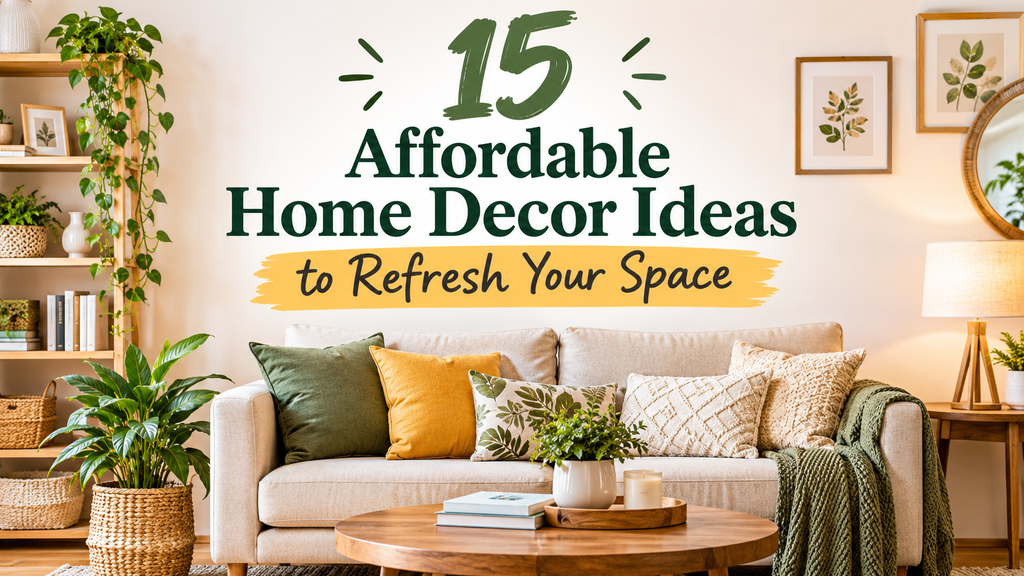

Introduction: Make Your Home Feel New on a Small Budget
You don’t need a designer budget to create a home that looks beautiful, feels comfortable, and reflects your personality. Sometimes, the smallest changes can make the biggest difference. A different furniture arrangement, a colorful cushion, a handmade decoration, or a better lighting setup can give a familiar room an entirely new character. If you’re tired of looking at the same surroundings every day, this is the perfect opportunity to rethink your space without spending money on a complete makeover.
The best approach to affordable decorating is to work with what you already have before deciding what to buy. Look at your living room, bedroom, kitchen, and entryway with fresh eyes. Perhaps an empty corner could become a reading nook, an old table could benefit from a fresh coat of paint, or a plain wall could become more interesting with a few framed photographs. These simple improvements allow you to personalize your surroundings while avoiding unnecessary purchases. You can also explore secondhand finds, reuse everyday objects, and complete small DIY projects to stretch your decorating budget further.
In this guide, you’ll find 15 inexpensive home decor ideas that can help you improve your living environment one step at a time. Whether you’re decorating a rental apartment, updating a family home, or preparing a room for guests, these suggestions offer practical ways to add color, improve organization, and create a welcoming atmosphere. You don’t have to follow every suggestion or change everything at once. Choose the ideas that fit your lifestyle, experiment with different combinations, and gradually build a home that feels comfortable, attractive, and uniquely yours.
1. Rearrange Your Furniture to Change the Look of a Room
Before purchasing new decorations, experiment with the furniture you already own. The arrangement of sofas, chairs, tables, and storage units influences how spacious and comfortable a room feels. When everything stays in the same position for years, you may stop noticing opportunities to improve the layout. Moving a few pieces can make the room feel different while helping you use the available space more effectively.
Start by deciding which activities matter most in the room. In a living area, you might want to create a comfortable conversation space where family members can sit together. In a bedroom, you may prefer an open walkway around the bed and an uncluttered corner for getting dressed. Position larger furniture pieces first, then adjust smaller items such as side tables, lamps, and stools. Keep doors, windows, and frequently used pathways accessible so the new arrangement remains practical.
You can also experiment with moving accessories from one room to another. A lamp that feels unremarkable in the living room might become a useful feature on a bedroom dresser. A small wooden stool could serve as a plant stand, while a bookshelf might work better in a home office than in a crowded hallway. Take photographs of different layouts to help you compare the results.
The goal isn’t to move every item unnecessarily. Instead, look for arrangements that improve comfort, balance, and everyday convenience. Rearranging furniture is a completely free home decorating technique that allows you to refresh your surroundings before committing to additional expenses.
2. Decorate Empty Walls With Personal and Affordable Artwork
Walls offer an excellent opportunity to introduce personality into your home without purchasing expensive decorative pieces. A carefully selected print, a collection of family photographs, or a handmade wall hanging can give a room a more finished appearance. Rather than filling every empty section, choose one or two areas where artwork can become a focal point.
For example, the wall above a sofa might look attractive with a small collection of framed prints. You could use photographs from memorable trips, illustrations that match your color scheme, or artwork created by local artists. Keeping the frames in similar finishes can make different pictures feel connected. Alternatively, mixing frame sizes can create a relaxed arrangement that looks collected over time rather than purchased as a matching set.
If framed pictures don’t suit your decorating style, try alternatives such as woven wall hangings, decorative plates, textile panels, or a large handmade piece. You can also reuse frames that have been sitting unused in storage by replacing their contents with inexpensive prints. Before hanging anything, test your arrangement on the floor and measure the available wall space.
Pay attention to the relationship between the artwork and the rest of the room. Colors that repeat in your cushions, curtains, or rug can help the design feel cohesive. A simple arrangement with enough breathing room often looks better than a wall covered with unrelated decorations.
Affordable wall art can make your home feel more personal without requiring a large investment. Choose pieces that mean something to you, complement your existing furnishings, and create an atmosphere you’ll enjoy every day.
3. Add Indoor Plants for a Fresh, Natural Atmosphere
Plants can introduce life and natural texture into almost any room. Their leaves provide a welcome contrast to furniture, appliances, and other straight-edged objects, while different shades of green can complement a wide range of decorating styles. You don’t need a large indoor garden to enjoy the visual benefits of greenery. A single plant on a windowsill or a small group arranged beside a bookshelf can make a noticeable difference.
Choose plants according to the conditions in your home rather than their appearance alone. Pothos, snake plants, and ZZ plants are popular indoor options, but their growth depends on appropriate light, watering, and other care requirements. A sunny kitchen window may be suitable for certain herbs, while a room with indirect light may be better for other varieties. Check the plant’s needs before purchasing it so you can avoid wasting money on unsuitable choices.
Decorative containers don’t have to be expensive either. Reuse existing plant pots, place nursery pots inside attractive outer containers, or decorate plain planters with paint. You could arrange plants of different heights on a stable stand or group smaller pots together on a shelf. If you’re using baskets, make sure excess water cannot damage them. Always consider drainage and the material of the container when deciding where to place your plants.
You may also be able to grow new plants from cuttings of suitable varieties. Friends and family members can sometimes share healthy cuttings, allowing you to expand your collection at little cost. If you have pets, check whether each plant is safe for them before bringing it indoors.
Indoor greenery is an inexpensive way to introduce color and natural character into your home. Begin with a few plants you can care for properly and build your collection gradually.
4. Give Your Sofa a New Appearance With Cushion Covers
Replacing a sofa can be expensive, particularly when the existing furniture is still comfortable and structurally sound. An easier alternative is to change the decorative cushions or simply replace their covers. Because cushions are positioned at eye level when people sit down, their colors and textures can influence the entire appearance of a living room.
Start by selecting two or three colors that complement your sofa and surrounding decor. For example, a beige sofa could work well with olive-green, cream, and rust-colored cushions. A dark sofa might benefit from lighter covers that introduce contrast. You can also combine different materials, such as cotton, woven fabric, and soft textured covers, to create a more layered appearance.
Instead of buying a complete matching set, mix plain covers with a few carefully selected patterns. Stripes, geometric designs, and botanical prints can add interest, provided they work with the other colors in the room. If your sofa already features a bold pattern, simpler cushions may create a more balanced result.
Look for affordable cushion covers that can be washed easily and reused with your existing inserts. You can also move cushions between rooms when you want a small seasonal change. Add a lightweight throw over one side of the sofa to introduce another texture without making the seating area feel crowded.
Changing cushion covers is one of the simplest ways to refresh living room decor on a budget. It allows you to experiment with new colors without replacing the furniture that you already love.
5. Use Mirrors to Brighten Your Interior
A well-positioned mirror can help a room feel brighter and visually more open. Because mirrors reflect light and nearby objects, they can create a sense of depth without taking up much space. This makes them especially useful in small apartments, narrow hallways, and rooms with limited natural light.
Consider placing a mirror where it can reflect a window or another attractive feature. This may help distribute daylight throughout the room and make a dark area feel less enclosed. In an entryway, a mirror above a narrow table provides a convenient place to check your appearance before leaving home. In a bedroom, a full-length mirror can serve a practical purpose while contributing to the overall design.
The frame you choose can influence the atmosphere of the space. A simple wooden frame suits many natural and traditional interiors, while a thin black frame can complement a modern room. Decorative metallic finishes may work well in spaces with warmer colors and more elaborate accessories.
You don’t need to purchase a large designer mirror to benefit from this idea. Search for affordable secondhand options, reuse a mirror you already own, or choose a simple design that fits your available wall space. Before installing it, consider what it will reflect. A mirror facing an attractive display can enhance the room, whereas one reflecting clutter may draw attention to an area that needs organizing.
Always use appropriate mounting hardware and follow the manufacturer’s instructions, particularly when hanging a heavy mirror.
Mirrors combine practical usefulness with decorative appeal, making them a worthwhile consideration when you want to improve the appearance of a room without major changes.
6. Create a Cozy Mood With Better Lighting
Lighting can change the way a room feels throughout the day. Bright overhead lighting may be useful for cleaning or working, but it doesn’t always create the relaxed atmosphere people want in a living room or bedroom. Introducing additional light sources can help make your interior more comfortable while highlighting attractive features.
Start by making the best use of your existing windows. Open curtains during the day when privacy and weather conditions allow, and remove objects that unnecessarily block the light. Clean lampshades and light fixtures so dust doesn’t reduce their brightness. These small maintenance tasks can improve your room without requiring a shopping trip.
If you want to add something new, consider a table lamp for a side table, a floor lamp beside a reading chair, or a small accent light on a bookshelf. Warm-white bulbs can create a comfortable evening atmosphere in many living spaces. However, choose brightness and color temperature according to the activity taking place in each room.
You can save money by reusing lamps from other rooms or replacing only a damaged lampshade. Battery-powered LED lights may also work for decorative displays when used according to the manufacturer’s instructions. Avoid placing lights near flammable materials, and use electrical products that are appropriate for your fixtures.
The aim is to make the room both attractive and functional. A comfortable reading corner needs suitable task lighting, while a dining area may benefit from even illumination across the table.
Thoughtful lighting upgrades can make inexpensive furnishings look more inviting. Focus on comfort, safety, and the purpose of each space rather than buying decorative lights simply because they’re fashionable.
7. Refresh Old Furniture With Paint and New Hardware
An old cabinet or side table doesn’t necessarily need to be replaced when its appearance begins to feel dated. If the piece remains sturdy and useful, a small makeover may be enough to give it a new role in your interior. Painting suitable furniture or replacing worn handles can change its appearance without the cost of purchasing a replacement.
Begin by examining the furniture carefully. Check for loose joints, damaged surfaces, moisture problems, or other issues that may require repair. If the structure is sound, clean the piece and determine which materials and finishes are appropriate for the surface. Some furniture requires sanding, a suitable primer, or specialized paint to achieve a durable result.
Color can help connect an old piece to your current decorating style. A plain wooden table might suit a lighter finish, while a small cabinet could become a feature in a deeper shade that complements your walls. You can also replace dated knobs or handles with simpler alternatives available from hardware shops.
Consider how the finished piece will be used. A refurbished table might work beside a sofa, a small cabinet could provide additional storage in a bedroom, or an old stool could become a plant stand. Repurposing furniture helps you make better use of items you already own.
Always follow product instructions, work in an appropriately ventilated area, and allow finishes to dry or cure as directed before using the furniture.
A carefully planned furniture makeover can save money and reduce waste while helping you create a home that reflects your personal style.
8. Arrange Bookshelves for a Cleaner, More Stylish Look
Bookshelves often become crowded with books, documents, souvenirs, and objects that have accumulated over time. Although these items may all be useful or meaningful, displaying everything without a clear arrangement can make the room feel untidy. A little editing and organization can transform a practical shelf into an attractive part of your interior.
Start by removing the contents and cleaning the shelves. Sort the items into groups, keeping frequently used books and meaningful objects while relocating things that belong elsewhere. Return the books in a combination of upright rows and short horizontal stacks. This creates variation without making the arrangement look chaotic.
Introduce a few decorative objects to break up the rows of books. A small plant, framed photograph, ceramic ornament, or attractive storage box can provide contrast. Try arranging objects of different heights, and avoid placing every accessory at the same level. Leaving some sections empty also gives the eye a place to rest.
You can create a more coordinated appearance by repeating a color or material already found in the room. Wooden accessories might complement a timber coffee table, while black frames could connect the shelves to other dark accents. There’s no need to purchase an entirely new collection of decorations; start with the objects you already own.
Make sure the shelving unit is stable and securely installed, especially if it contains heavy books or stands in a home with children or pets.
Well-organized shelves can function as both storage and decoration. By selecting and arranging items carefully, you can improve the appearance of a room without buying additional furniture.
9. Update Your Curtains for a Brighter Room
Curtains affect the amount of light entering a room and contribute significantly to its overall color scheme. If your existing curtains look faded, feel too heavy, or no longer suit the furniture, changing them can help refresh the space. However, you may be able to improve their appearance without replacing the entire set.
Begin by checking the condition of your current curtains. Washing them according to their care instructions, removing wrinkles, repairing loose hems, or replacing worn tiebacks may restore a cleaner appearance. If the fabric is still attractive, these simple steps could save you the cost of buying new panels.
When replacement is necessary, consider the needs of the room. Lightweight curtains may suit a living room where you want daylight to enter, while lined curtains can provide greater privacy and light control in a bedroom. Neutral colors offer flexibility, but patterned curtains can also work well when the rest of the room is relatively simple.
Measure the window carefully before shopping. Consider the position of the curtain rod, the desired length, and the amount of fabric needed to create a suitable appearance. Where the layout allows, placing the rod above the window frame can draw the eye upward, although the best position depends on the room’s proportions.
Look for affordable ready-made curtains or suitable fabric from local shops. If you have sewing skills, making simple panels may be another economical option.
Fresh curtains can improve light control, privacy, and the visual balance of your interior. Choose a style that works with your existing furnishings instead of treating window coverings as an isolated design decision.
10. Style Your Coffee Table With Everyday Objects
A coffee table is often one of the most noticeable surfaces in a living room, yet it can quickly become a place for miscellaneous household items. With a little organization, you can turn it into an attractive display while keeping it practical for everyday use.
First, remove anything that doesn’t need to stay on the table. Place remote controls, coasters, and frequently used items in a small tray so they remain accessible without spreading across the entire surface. Then choose a few decorative objects, such as a vase, a small stack of books, or a bowl that complements the room’s colors.
Varying the shapes and heights of the objects helps the arrangement look more interesting. A flat tray, a medium-height book stack, and a taller vase can create visual balance. If your living room already has several patterned accessories, choose simpler objects for the coffee table to avoid overwhelming the space.
You can create this arrangement using items from other rooms rather than buying a coordinated set. A small serving tray may work as an organizer, while a decorative bowl could hold keys or other small objects when it’s not being used elsewhere. If you enjoy flowers, use a vase you already own and choose inexpensive seasonal stems.
Remember to leave enough open space for drinks, snacks, and everyday activities. Keep fragile items away from areas where they might easily fall, particularly in busy family homes.
A well-styled coffee table brings order and personality to the center of your living room. The best arrangements combine attractive details with enough practical space for daily life.
11. Add a Rug to Bring Your Room Together
A rug can help connect different pieces of furniture and make a room feel more visually organized. It introduces texture beneath your feet, provides a contrast to hard flooring, and can help distinguish one area from another in an open-plan home. Even an inexpensive rug can make a difference when its size, color, and placement suit the room.
Before purchasing one, measure the area where it will sit. A rug that’s too small may appear disconnected from the furniture, while an appropriately sized option can help anchor the seating arrangement. In a living room, placing the front legs of the sofa and chairs on the rug can create a more unified appearance. In a bedroom, you might position a rug beneath the lower portion of the bed or choose smaller rugs for the sides.
Think about the colors and patterns already present in the room. A neutral rug can provide a quiet foundation for colorful accessories, while a patterned design may add interest to simple furniture. If the curtains and cushions already contain bold prints, a more understated rug can help maintain balance.
Affordable options include washable rugs, smaller sizes, and secondhand pieces in good condition. Compare cleaning requirements and material durability before making a purchase, especially if the rug will be placed in a high-traffic area.
Safety should also be considered. A suitable non-slip pad can help prevent movement on smooth floors, and rug edges should remain flat to reduce the risk of tripping.
A carefully selected rug can improve comfort and help unify your decorating choices. Measure first and choose a design that suits your room rather than purchasing one simply because it’s inexpensive.
12. Make Your Bedroom Feel More Relaxing
A comfortable bedroom doesn’t require expensive furniture or a complete redesign. Often, the most effective improvements involve simplifying the surroundings, refreshing the bedding, and creating a more pleasant atmosphere for rest. Because the bed is usually the room’s main feature, even small changes to its appearance can influence how the entire space feels.
Begin by washing your sheets and pillowcases, making the bed neatly, and clearing unnecessary objects from nearby surfaces. If your bedding remains in good condition, you may only need a new duvet cover, a different set of pillowcases, or a lightweight blanket to introduce a fresh color. Choose shades that make you feel comfortable rather than following a trend that doesn’t suit your preferences.
Next, review the furniture around the bed. A small bedside table can hold a lamp, a book, and the items you use each evening. If you don’t have matching tables, two different pieces can still work together when their finishes or proportions are complementary. A simple framed print above the headboard can also introduce personality without creating visual clutter.
Pay attention to the amount of storage available. Use existing drawers and cupboards effectively, and consider inexpensive organizers for smaller belongings. Keeping clothing, cables, and personal items in designated places makes the room easier to maintain.
Soft lighting, clean bedding, and good ventilation can contribute to a more comfortable environment. Avoid filling every surface with decorative objects, especially if you prefer a calm and uncluttered bedroom.
Affordable bedroom improvements can make your personal space feel fresher and more restful. Start with cleanliness and organization, then introduce a few carefully chosen accessories that support your daily routine.
13. Improve Your Entryway With Simple Decorative Details
The entrance to your home helps establish the atmosphere visitors experience when they arrive. Even a small hallway or narrow doorway can feel more welcoming when it’s clean, organized, and decorated with a few practical accessories. You don’t need a large foyer or an expensive console table to make this area more attractive.
Start by deciding where everyday belongings should go. Shoes may need a small rack, keys can be placed in a shallow tray, and bags or jackets may benefit from a few sturdy hooks. Keeping these items organized prevents them from spreading into the surrounding rooms and makes it easier to leave the house without searching for essentials.
Once the practical details are addressed, introduce one or two decorative elements. A mirror can provide a useful final check before leaving, while a small framed picture or plant can make the entrance feel less bare. If space permits, a narrow table may provide room for a lamp or decorative bowl, but leave enough clearance for the door to open and people to move comfortably.
You can also improve the entryway by cleaning the door, wiping nearby surfaces, and using a suitable mat to help manage dirt. These basic tasks often have a greater effect than adding several new decorations.
If you’re renting, look for movable accessories or mounting systems appropriate for the walls and surfaces in your home. Choose durable items that can withstand frequent use.
A tidy entryway creates a welcoming first impression while making everyday routines easier. Focus on organization first, then add a small decorative detail that suits your home’s overall style.
14. Create Personalized Decorations With DIY Projects
Making your own decorations can be a rewarding way to refresh your home while keeping costs under control. DIY projects allow you to choose your own colors, reuse materials, and create items that suit your space more closely than mass-produced accessories. You don’t need advanced crafting skills to get started; many simple projects involve little more than basic materials and a little patience.
Look around your home for objects that could be repurposed. An unused frame might become a display for fabric or a favorite photograph, while a plain storage box could be decorated to match your shelves. You might paint a plant pot, sew a simple cushion cover, create a table runner from suitable fabric, or assemble a small display using materials you already own.
Before beginning a project, decide where the finished item will be used. This helps you choose suitable dimensions, colors, and materials. If you’re decorating a living room with neutral furnishings, for example, a handmade accessory in a contrasting color could introduce interest. If the room already contains several bold patterns, a simpler project may produce a more balanced result.
Calculate the cost of any additional supplies before starting. A DIY project isn’t automatically cheaper if it requires specialized tools or large quantities of materials. Start with something manageable and use leftover supplies whenever practical.
Follow safety instructions when using paints, adhesives, scissors, or other tools. Make sure the materials are suitable for the intended use, and allow painted or glued items to dry fully before placing them in your home.
DIY home accessories let you add originality without relying on expensive store-bought decorations. Choose projects that are practical, enjoyable, and consistent with the look you want to achieve.
15. Keep Your Home Organized With Attractive Storage
Clutter can make a beautifully furnished room feel crowded, even when the individual items are attractive. Books, blankets, toys, paperwork, and everyday accessories all need somewhere to go. Decorative storage helps you manage these belongings while maintaining an interior that feels orderly and comfortable.
Begin by identifying the areas where clutter regularly appears. A living room might benefit from a basket for blankets, while a bedroom could use drawer dividers for smaller items. In a home office, labeled boxes can help organize paperwork and supplies. Choose storage products according to the items you need to keep rather than purchasing containers simply because they look attractive.
Materials and colors can help storage blend into the room. Woven baskets introduce texture, fabric containers create a softer appearance, and neutral boxes can fit neatly on shelves. If your furniture already includes cupboards or drawers, organize those spaces before purchasing additional storage products.
Consider multifunctional items when you eventually need to replace furniture. A storage ottoman can provide seating and a place for blankets, while a bed with drawers can help make use of otherwise unused space. However, you don’t need to replace functional furniture just to improve organization.
The most important step is deciding what you actually need to keep. Donate, recycle, or responsibly dispose of unwanted items where appropriate before buying storage containers. Otherwise, you may end up spending money organizing things you no longer use.
Affordable storage solutions can make your home look more polished while improving everyday convenience. When belongings have designated places, decorative features become easier to appreciate and rooms are simpler to maintain.
Conclusion: Refresh Your Home With Thoughtful, Affordable Changes
Creating an attractive home doesn’t require expensive purchases or major renovation work. The ideas in this guide show how everyday changes can improve the appearance and usefulness of your living space. Rearranging furniture, displaying personal artwork, adding plants, changing cushion covers, and improving lighting are all practical ways to introduce a fresh look while working within a limited budget.
The best results often come from making a few changes thoughtfully rather than trying to update everything at once. Start by examining your existing furniture and accessories, then decide which areas would benefit most from a new arrangement, better organization, or a simple decorative addition. If you do need to shop, compare prices, consider secondhand options, and choose items that will work with your existing decor.
Remember that your home should reflect your lifestyle rather than a particular decorating trend. Some people prefer simple interiors with neutral colors, while others enjoy vibrant artwork, traditional details, or collections of meaningful objects. There isn’t one correct way to decorate a room. The right approach is the one that combines comfort, function, and personal taste within your available budget.
Choose two or three ideas from this list and begin with those. You can gradually introduce additional changes as time and money allow. With careful planning, a little creativity, and an emphasis on using what you already own, you can create a welcoming home that looks fresh without overspending.
Frequently Asked Questions
1. What are the most affordable ways to decorate a home?
Some of the least expensive decorating options include rearranging furniture, reorganizing shelves, cleaning existing accessories, displaying personal photographs, and moving decorations between rooms. You can also update cushion covers, repaint suitable furniture, or introduce a few inexpensive plants. Begin with free improvements before deciding which purchases would provide the most value.
2. How can I make my living room look better without buying furniture?
You can change the furniture layout, introduce a coordinated color scheme, restyle the coffee table, and organize visible clutter. Cushion covers, a throw blanket, a mirror, or affordable artwork can also change the appearance of your living room. Focus on improving the arrangement and selecting accessories that work with your existing furniture.
3. Which home decor colors work well on a budget?
Neutral shades such as cream, beige, warm white, and soft gray can create a flexible foundation for decorating. You can introduce additional color through inexpensive accessories in shades such as olive green, terracotta, navy, or mustard. Rather than following a strict color trend, select combinations that complement your furniture, flooring, and personal preferences.
4. How can I decorate a small room without making it feel crowded?
Choose furniture that suits the room’s dimensions, maintain clear walkways, and use storage to reduce clutter. Mirrors may help reflect available light, while carefully selected curtains and rugs can improve the room’s visual proportions. Avoid filling every wall and surface with accessories. A few well-placed decorative items can create more impact than a crowded arrangement.
5. Can DIY home decor really save money?
DIY decorating can reduce costs when you reuse materials, update existing items, or choose projects that require inexpensive supplies. Painting a suitable plant pot, creating a photo display, or replacing cushion covers may cost less than purchasing finished alternatives. However, compare material and tool expenses before starting, because complicated projects are not always the most economical option.
